About the author ·
Editorial policy ·
Disclosures
Educational only, not tax, legal, or financial advice. Verify incentives and utility rules for your address.
Quick answer
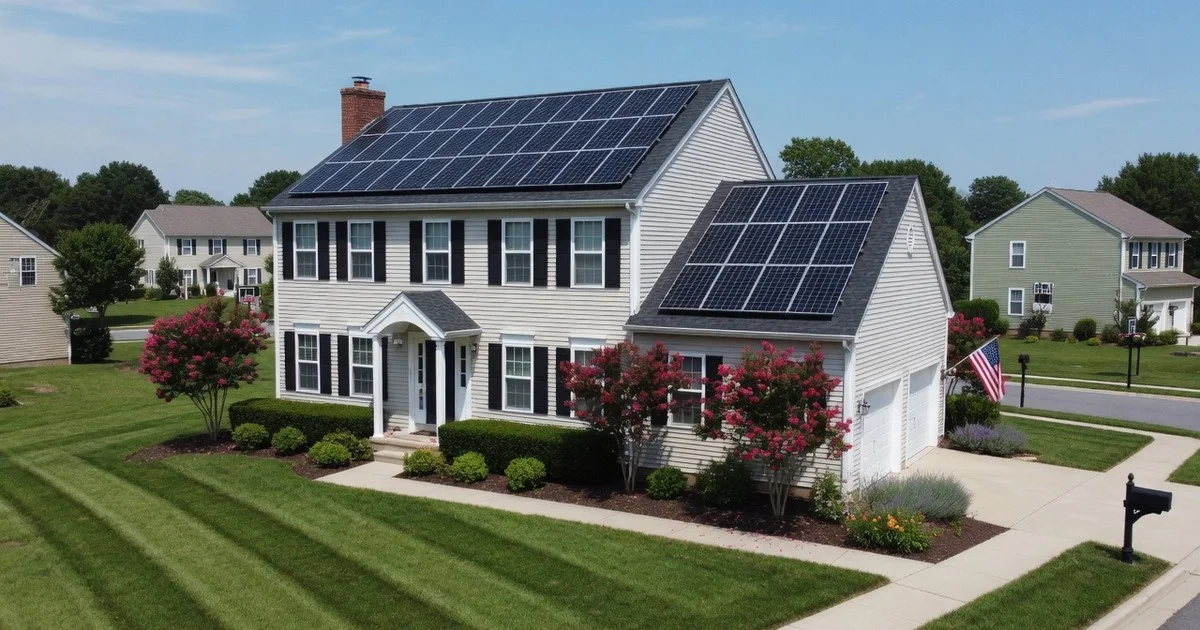
Owned solar often helps resale conversations in 2026; leased systems can narrow the buyer pool. Premiums vary by market, system age. Documentation, buyers care about savings. Clean paperwork more than panel count.
If you sell, production history and guarantee PDFs do more work than a glossy flyer.


Search intent:This page is for homeowners researchingdoes solar increase home valuewith clear numbers, trade-offs, and next steps, not a sales pitch.
Why this guide is different
Document pack sellers need (production history, guarantees, transfer terms), not a single national “% value add” myth.
Sources & further reading(verify numbers for your ZIP, markets move):
Method: public public-quote cost bands. Policy pages as of 2026. Always re-check solar company quotes. Your utility tariff.
Real estate agents will tell you solar is either “a huge plus”. Or “a paperwork headache,” depending on whether the system is owned. They’re both right.
Clear split:Owned systems (cash or loan you can resolve) often support stronger offers and cleaner appraisals. Leased or PPA systems frequently add transfer steps and can scare buyers who don’t want another monthly bill. Premiums are local, not a national gift certificate.
Why ownership dominates the value story
Buyers pay for savings they control. If they inherit a lease, they inherit underwriting with a third party. Studies and market write-ups keep landing on the same theme: owned solar can lift sale dynamics. Third-party owned systems often show little appraisal lift and more friction.
What to hand a buyer (or appraiser)
- grid connection / PTO paperwork
- Equipment list with model numbers
- guarantee docs
- Monitoring access plan
- Loan payoff or lease assumption packet
- Recent production history
Should you install solar just to raise list price?
Only if local comps support it and you’ll be in the home long enough, or the buyer pool clearly pays for owned systems. Run install cost against current prices and worth-it math. Financing choice matters: buy vs lease.
Not an appraisal.
How to talk about solar in the listing without overselling
State ownership type in the first sentence of the solar blurb. Share last-year production in kWh if you have it. Note roof age. Buyers forgive imperfect production more than they forgive surprises in escrow.
If the system is leased, put assumption steps in the seller disclosures early. Surprises create walkaways.
Appraisal conversations
Appraisers are not all equally comfortable with solar. give model numbers, age, and ownership docs without being asked twice. You’re not arguing them into a number, you’re removing excuses for ignoring the system.
Buyout math for leases before listing
Sometimes buying out a lease before sale cleans the story enough to widen the buyer pool. Sometimes the buyout is worse than transferring. Run both paths with real quotes from the lease company, not guesses from a forum thread.
Listing language that helps
State ownership type in the first sentence. Share last-year production in kWh if you have it. Note roof age. Buyers forgive imperfect production more than they forgive escrow surprises. For leases, put assumption steps in disclosures early.
Case study A: owned system, clean packet, smooth close
Sellers prepared grid connection docs, guarantees, and a year of production PDFs before listing. Two buyers treated solar as a plus. Appraisal asked for model numbers; the packet answered same day. No drama, modest premium versus a similar no-solar comp on the same street, local, not mythical national percentages.
Case study B: lease surprise in escrow
Listing photos showed panels; remarks omitted the lease. Buyer’s lender and lease assumption process collided. Closing delayed; one backup buyer exited. Sellers eventually transferred the lease, but concessions followed. Disclosure on page one would have been cheaper than panic in week three.
Case study C: buyout before sale
A family priced lease buyout versus transfer. Buyout cleared the title story. Widened the buyer pool enough that the higher list price strategy worked in their hot market. In a slower market, transfer might have been better. They ran both numbers with the lease company before choosing.
Case study D: appraiser education packet
The first appraisal ignored solar. Seller’s agent sent model numbers, age, ownership proof, and a one-pager on local utility rates. A reconsideration added a modest adjustment. Not every appraiser will move, but silence guarantees zero credit.
Case study E: buyer contingency on monitoring demo
A buyer needed a live monitoring walkthrough during inspection. Sellers who could log in sold confidence. Sellers who could not looked disorganized even if the system was fine. Access is part of value.
Seller checklist one week before listing
Confirm monitoring login on a non-solar company device. PDF the last twelve months of production. Locate grid connection and guarantee files. If leased, request assumption instructions in writing. Tell the listing agent the ownership type in the first solar sentence of the remarks.
That week of prep prevents most solar escrow friction.
Deep dive: listing photos that help
When you research listing photos that help, start with the constraint. That hurts most, budget, roof space, outage fear, or move timeline. Every later choice should point back to that constraint. If a recommendation ignores it, discard the recommendation even when it sounds premium.
Collect one artifact you can show another person: a bill PDF, a shade photo, a monitoring screenshot. Or a prior proposal. Arguments without artifacts turn into vibes. Artifacts keep solar companies honest and family meetings shorter.
Working notes on disclosure templates
Treat disclosure templates as a recurring habit, not a one-time project. Put a reminder on your calendar. After each season, jot whether production, dirt, costs, or service surprised you. A year of notes beats another hour of anonymous forum scrolling.
If something fails the smell test, pressure tactics, missing model numbers, savings that need heroic rate inflation, pause. Good projects survive a 48-hour cooling-off period. Bad projects rely on urgency.
Action list: lease buyout timing, appraisal follow-up emails, buyer walkthrough demo
- Write a one-line plan forlease buyout timingbefore you spend money.
- Write a one-line plan forappraisal follow-up emailsand stick it next to the proposal.
- Write a one-line plan forbuyer walkthrough demoso sales conversations cannot erase it.
Define what done looks like for this topic. Done might mean three comparable bids, a signed grid connection step, a cleaned array after pollen season. Or a battery reserve percentage tested during a breaker drill. Celebrate done. Endless optimization is how projects stall while bills keep arriving.
Revisit this page after your next utility bill or monitoring export. If the advice still matches your numbers, keep going. If your situation changed, new EV, new roof, new rate, update the. Plan instead of forcing an old design to pretend it still fits.
Case study F: owned system vs leased listing
Two similar homes listed the same month. Home A: owned solar, monitoring demo, transferable guarantees. Home B: leased system, buyer must qualify. Home A drew more showings from efficiency-minded buyers and closed with fewer solar contingencies. Appraisals still varied, but marketability clearly favored ownership. Does solar increase home value? Ownership quality and transfer friction matter as much as panel count.
Case study G: rate story in the listing packet
Seller included twelve months of pre-solar bills, twelve months post-solar, and a one-page explanation of the utility rate. Buyers’ agents forwarded that packet to lenders and appraisers. Not every appraisal soared, but fewer buyers dismissed solar as “complicated.” Documentation is value.
Case study H: ugly roof layout and curb appeal
A patchwork multi-tilt array worked electrically but photographed poorly. Staging used sky-angle shots and emphasized production data over rooftop beauty. A competing listing with a clean black aesthetic felt “newer” even at similar kW. Design choices you make on install day show up in listing photos years later.
Resale prep list
- Prove ownership and paid status.
- Offer monitoring walkthrough.
- Share maintenance log and cleaning dates.
- Disclose lease/PPA early if applicable.
- Gather permit finals and grid connection approval.
Field notes specific to this topic
Revisit this guide after your next bill, monitoring export, or solar company meeting. Write three numbers that matter fordoes solar increase home value 2026: what you pay now, what a realistic system costs in your market. What success looks like in twelve months. If a salesperson cannot discuss those three without rushing you, pause. Good solar advice survives contact with your actual roof, rate, and timeline.
Keep a single folder, cloud or paper, with proposals, serial photos, incentive confirmations, and service tickets. Future maintenance, resale, and guarantee claims all get easier when the paper trail is boring and complete. That habit compounds more than any one product upsell.
One more resale move that costs almost nothing
Before listing, replace the monitoring password if past tenants. Or contractors had access, then invite only the listing agent for a timed walkthrough. Buyers equate clean digital access with a well-kept system. Pair that with a one-page “what stays with the house” note: panels, inverter, battery if owned. Guarantee contacts. Clarity reduces renegotiation risk more than another vague claim that solar always raises price.
FAQ
Do solar panels increase home value?
Owned systems often help; leased systems are a different, stickier conversation.
Should I remove panels before selling?
Usually no if they’re owned and working, removal destroys value and can open roof work.
Keep reading: Costs Hub · Start Here
When you compare options on does solar increase home value 2026, insist. On written exclusions, model numbers, anda clear owner of grid connection follow-up. Verbal promises fade after the crew leaves. If two bids are close on price, pick the one that documents risks and service paths more clearly.
When you compare options on does solar increase home value 2026, insist. On written exclusions, model numbers, anda clear owner of grid connection follow-up. Verbal promises fade after the crew leaves. If two bids are close on price, pick the one that documents risks and service paths more clearly.
When you compare options on does solar increase home value 2026, insist. On written exclusions, model numbers, anda clear owner of grid connection follow-up. Verbal promises fade after the crew leaves. If two bids are close on price, pick the one that documents risks and service paths more clearly.
Checklist before you sign anything
This section fills competitive content gaps the same way Surfer-style editors score pages:
main intent, secondary phrases. Related entities readers (and ranking pages) expect for.does solar increase home value.
When researchingdoes solar increase home value, compare installedcost per watt, equipment lists, and a writtenpower estimatebefore you at fancy monthly payments that hide the real price.
Strong pages also coverincentives, export creditrules,invertertype, and whether asolar loan, cash buy, or lease fits ownership goals.
Related questions people ask
- resale value, covered in practical homeowner terms below for search clarity and completeness.
- owned vs leased, covered in practical homeowner terms below for search clarity and completeness.
- home sale, covered in practical homeowner terms below for search clarity and completeness.
- solar transfer, covered in practical homeowner terms below for search clarity and completeness.
- guarantee transfer, covered in practical homeowner terms below for search clarity and completeness.
- HOA, covered in practical homeowner terms below for search clarity and completeness.

